
The Clockwork Comeback: America’s Forgotten Watchmaking Empire
Before Switzerland dominated the luxury market, the United States was the undisputed global powerhouse of watchmaking—and a new wave of stateside brands is determined to reclaim that throne.

The Untold Tale of American Watches
A Modern Look at the History and Resurgence of Stateside Horology
When it comes to watchmaking, the United States is rarely the first country that comes to mind. Usually, that distinction goes to Switzerland, with Germany and Japan trailing close behind. However, that doesn’t mean our country is without a deep horological tradition. There was actually a time when America was at the absolute top of the worldwide watch game.
Though few of the original historic American watch houses exist today, their pioneering methods and legacy have profoundly influenced subsequent generations of stateside watchmakers. Today, the U.S. boasts a vibrant landscape of quality watch brands producing timepieces that rival their European and Asian competitors. Read on for a modernized look into the history of watchmaking in the U.S., the top brands leading the contemporary movement, and why preserving these mechanical wonders matters more than ever.
The Golden Era of Mass Production
How the Industrial Revolution Put America on the Map
Prior to the late 1800s, Europe dominated the watch industry. In the pre-industrial era, tiny towns throughout Switzerland, Germany, and France specialized in making very specific watch parts by hand. Big watch houses would source these individual pieces from these little towns and manually compile them together in their main shops. The Industrial Revolution completely flipped this script.
The advent of mass-production machinery meant that all of a watch’s parts could be manufactured in huge quantities with unrivaled precision and assembled under the exact same roof. The Boston-based Waltham Watch Company was the first to make a 100% American-made watch, stunning Swiss watchmakers at the 1876 Centennial Exposition with their automated screw technology. For a brief, shining moment in the late 19th and early 20th centuries, no one globally could keep up with the sheer quality and production output of American-made watches.
Shifting Tides and the Quartz Crisis
The Forces That Silenced America’s Great Factories
This golden era came to an end around World War I. By this time, Swiss industrial technology had caught up with America’s, and wristwatches—made primarily in Europe—swiftly overtook the popularity of the traditional pocket watch. The Great Depression slumped business even deeper stateside, and World War II prompted many American watchmaking factories to completely abandon timepieces to manufacture precision timing components that more directly supported the war effort.
Later in the 20th century, the devastating “quartz crisis”—the rise of inexpensive, battery-powered electronic watches—nearly took out mechanical and automatic watches altogether. This massive industry shift put all but one American luxury watchmaker (Timex) out of business, leaving America’s historic factories empty.
The Modern American Renaissance
The Brands Crafting the New Wave of Stateside Timepieces
However, a remarkable shift has occurred. Over the past few decades, a dynamic wave of smaller American-based watch brands has emerged, marking a true resurgence of the domestic watchmaking tradition. While a handful are dedicated to doing as much assembly and manufacturing as possible on U.S. soil, most brands expertly blend stateside design and engineering with precision parts sourced from trusted partners in Europe and Asia.
Shinola (Detroit, MI)
Perhaps the most recognizable name in the modern American watch movement, this Detroit-based powerhouse has been creating cultural buzz since 2011. While Shinola sources high-quality components from Europe and Asia, their final assembly and operations are firmly rooted on U.S. soil. Models like the Runwell Automatic display a classically bold, clean American aesthetic that has cemented the brand’s place in modern fashion.
Weiss Watch Company (Torrance, CA)
Founded by Cameron Weiss, who trained with legendary Swiss houses Vacheron Constantin and Audemars Piguet, Weiss Watch Company explicitly aims to restore prestige to American watchmaking. Each watch is individually assembled in California. Weiss stands out for designing and building a vast majority of its components and mechanical movements directly in-house, as beautifully exemplified by the robust elegance of their American Issue Field Watch.
Martenero (New York, NY)
Launched in 2014, NYC-based Martenero specializes in sporty, sophisticated watches at a highly accessible price point. Their timepieces feature ultra-reliable Japanese Miyota automatic movements, but the design, testing, and final assembly happen entirely in the United States. Nautical models like the Kerrison seamlessly blend versatile aesthetics with utility, boasting water resistance up to 50 meters.
RGM Watch Co. (Mount Joy, PA)
The veteran of the modern revival, RGM was founded in 1992 and creates beautiful, bespoke watches that directly rival the pinnacle of luxury Swiss high horology. Roland G. Murphy’s workshop is famous for utilizing historic, hand-operated machinery to create rare details. The PS-801-EE in rose gold—featuring exquisite, house-made movements and stunning guilloché enamel detailing—embodies a level of pure craftsmanship that is second to none.
Oak & Oscar (Chicago, IL)
Established in 2015, Chicago-based Oak & Oscar has amassed a passionate cult following for its high-caliber design, independent spirit, and immaculate presentation. By combining premium Swiss movements with their own custom, thoughtful engineering, they create timepieces that are bold, elegant, and ready for daily wear. The Jackson—a fully mechanical chronograph—perfectly showcases their meticulous eye for detail.
Preserving a Living History
Why Expert Maintenance Keeps the Heritage Alive
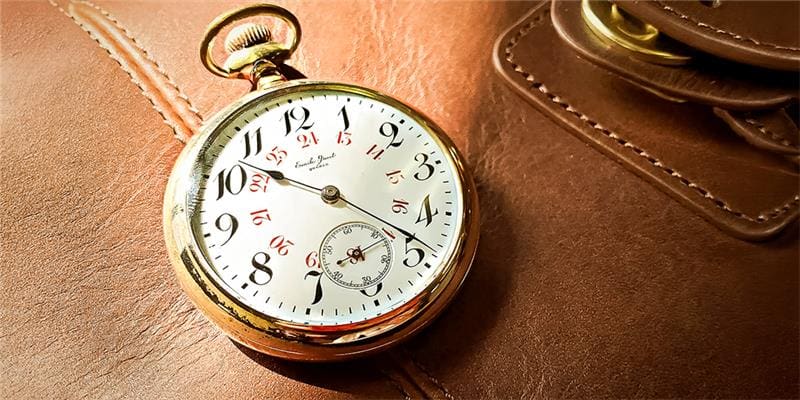
It is incredibly thrilling to witness this impressive renaissance in American watchmaking. These modern U.S.-based brands do an excellent job of melding historic tradition with contemporary innovation. However, whether you own a rare 19th-century Waltham pocket watch, a bespoke luxury piece from RGM, or a rugged daily-wear automatic from Shinola, a mechanical timepiece is effectively a tiny, living machine.
To keep gears turning, springs tensioned, and seals water-resistant, regular maintenance is absolutely vital. Over time, the microscopic oils keeping friction at bay break down, and delicate components require highly skilled hands to clean, tune, and repair. Caring for these pieces isn’t just about keeping time; it’s about protecting a physical piece of artistry and heritage.
Keeping Time for Generations to Come
Final Thoughts on Protecting Your Horological Investment
From the roaring factories of the 1800s to the precise workshops of modern-day California and Pennsylvania, American watchmaking has always been defined by resilience and meticulous engineering. Owning one of these watches connects you directly to that legacy of innovation. Because these timepieces are built to outlive us, partnering with dedicated restoration experts ensures that the stories ticking away on your wrist remain intact for decades to come.

Resources:
- The Best American-Made Watches & Recap Of American Horological History: https://bespokeunit.com/
- The History of American Watchmaking: https://www.firstclasswatches.co.uk/
- 10 American Watch Brands Making Timepieces In The USA: https://www.thegoodtrade.com/
- 10 of the best American watch brands from least to most expensive: https://timeandtidewatches.com/
Preserving the Legacy of Extraordinary Craftsmanship
Because Iconic Horological Creations Deserve Care You Can Trust with My Jewelry Repair
American watchmaking represents more than just a way to tell time. It embodies artistry, industrial history, and the enduring stories of stateside innovation. Pieces of this mechanical significance deserve thoughtful care, where horological expertise and strict attention to micro-engineering are just as important as the precious materials themselves.
At My Jewelry Repair, we bring together master watchmakers and a modern, transparent service experience designed to protect what matters most. From delicate balance staff restorations on vintage movements to sealing and servicing modern automatics, our specialists ensure that every timepiece is returned to you not only beautifully restored, but ready to be appreciated for generations to come.
Interested in Restoring Your Own Watch Piece?




Our team has gemologists certified by

We are proud members of the